
What happens when digital images begin to inhabit the physical world?
Working between digital culture, contemporary mosaic and public space, PixelArt explores how images persist through continuous reconstruction and reinterpretation.
Pixels become material systems, architecture becomes image, and visual memory acquires new forms of permanence beyond the screen.
IMAGE PERSISTENCE THROUGH MATERIAL RECONSTRUCTION
SPATIAL OPERATIONS

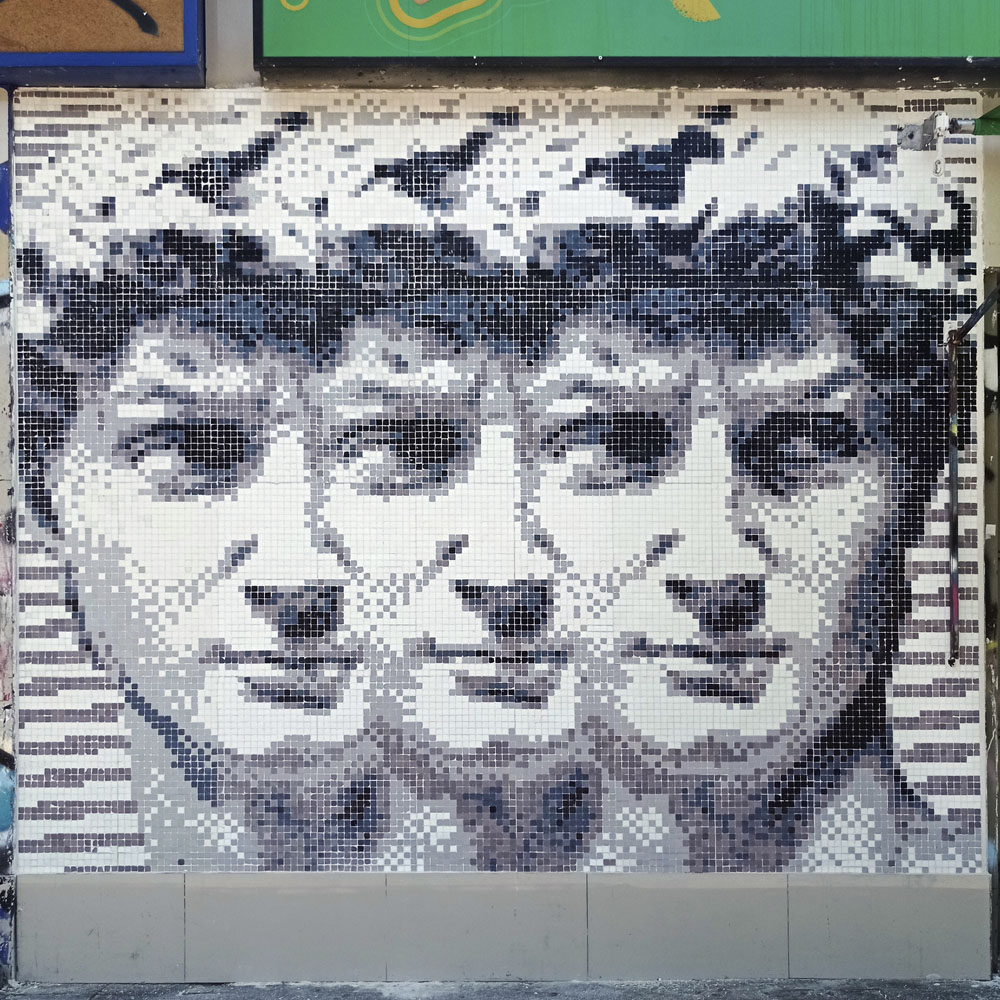
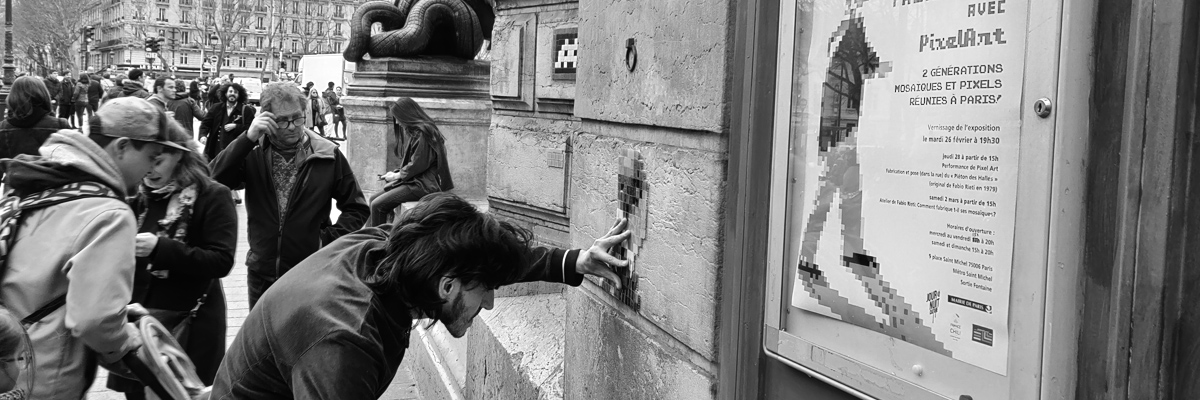
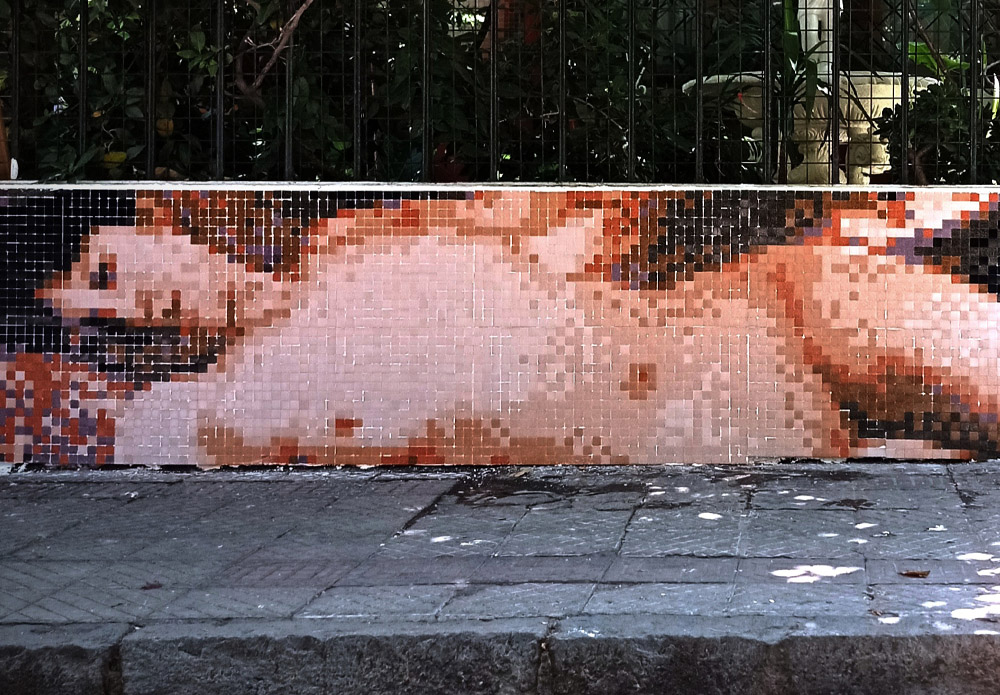
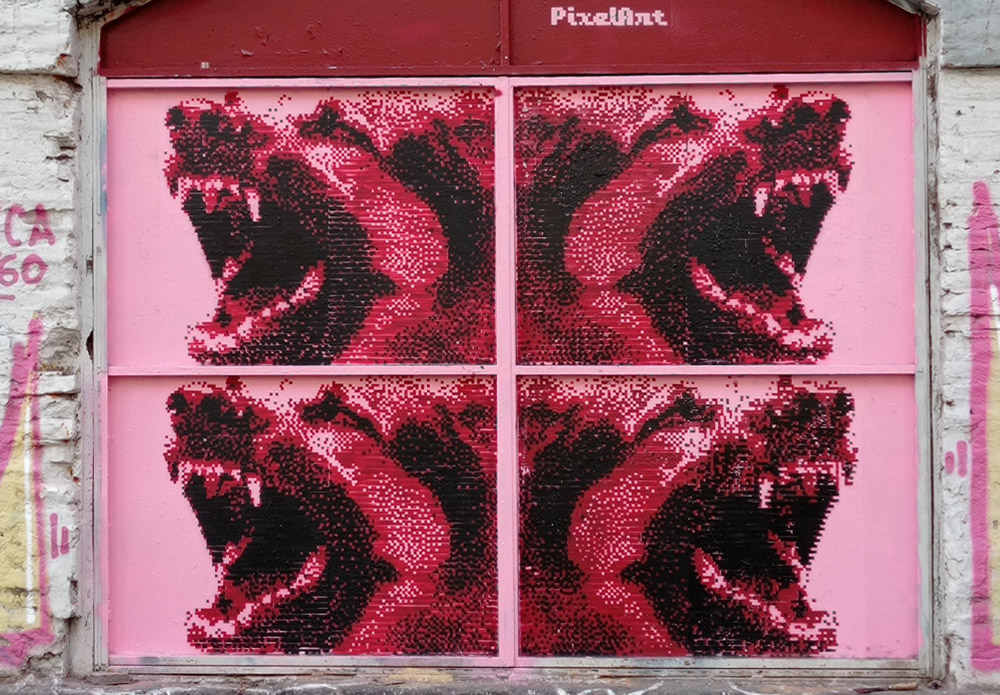
The archive includes mosaics, stencil systems, unauthorized installations and distributed image structures developed across streets, walls and architectural surfaces.
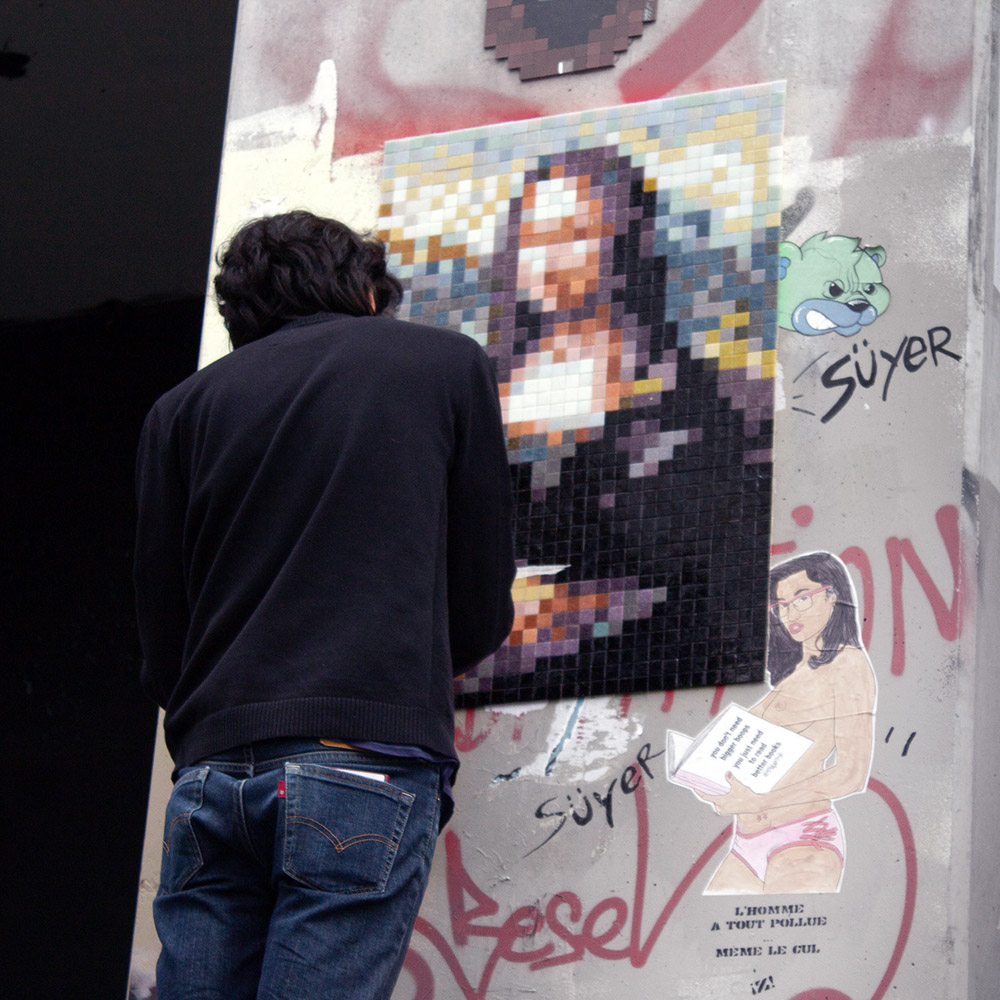
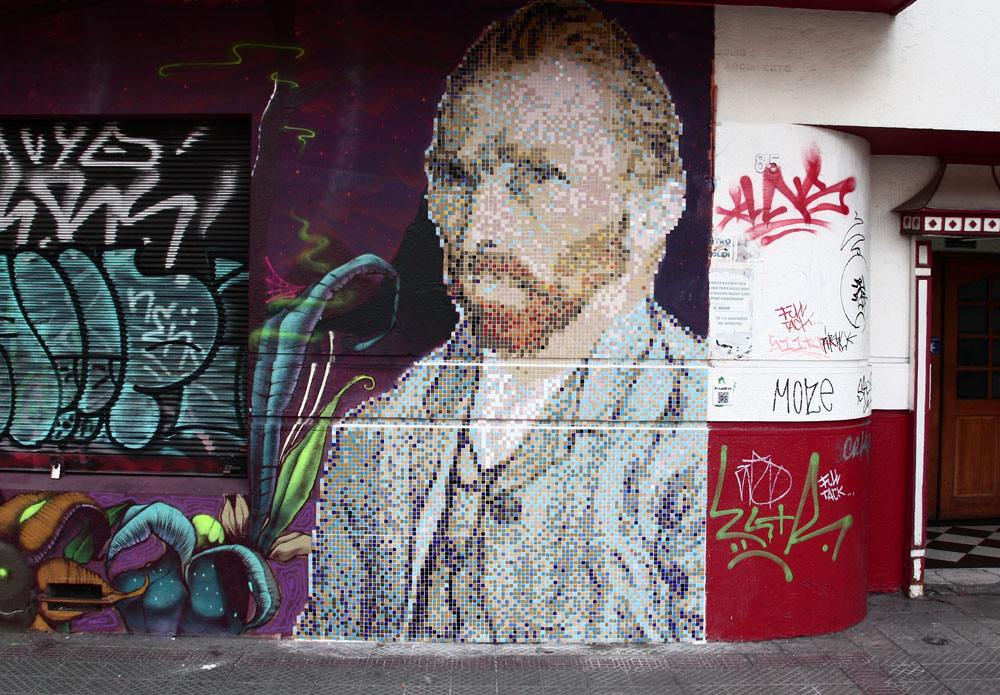
Developed over more than a decade, these interventions investigate how cultural icons, technological memory and pixel-based systems become embedded within the urban landscape.
VISUAL SYSTEMS

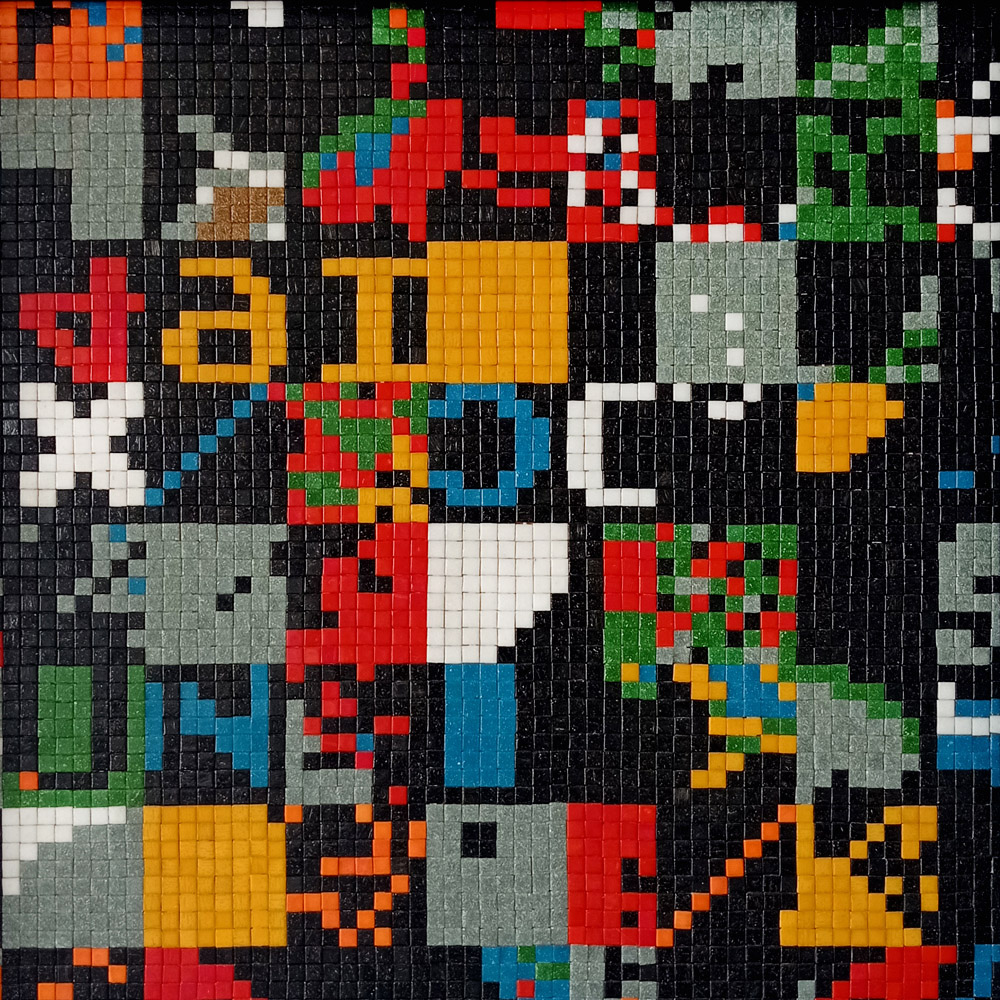
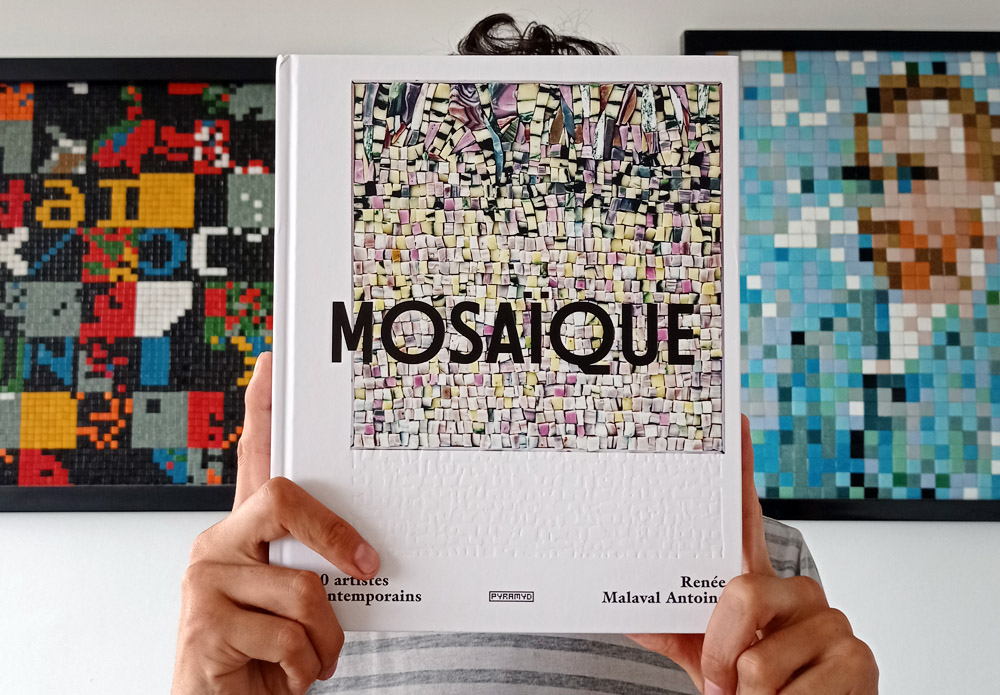
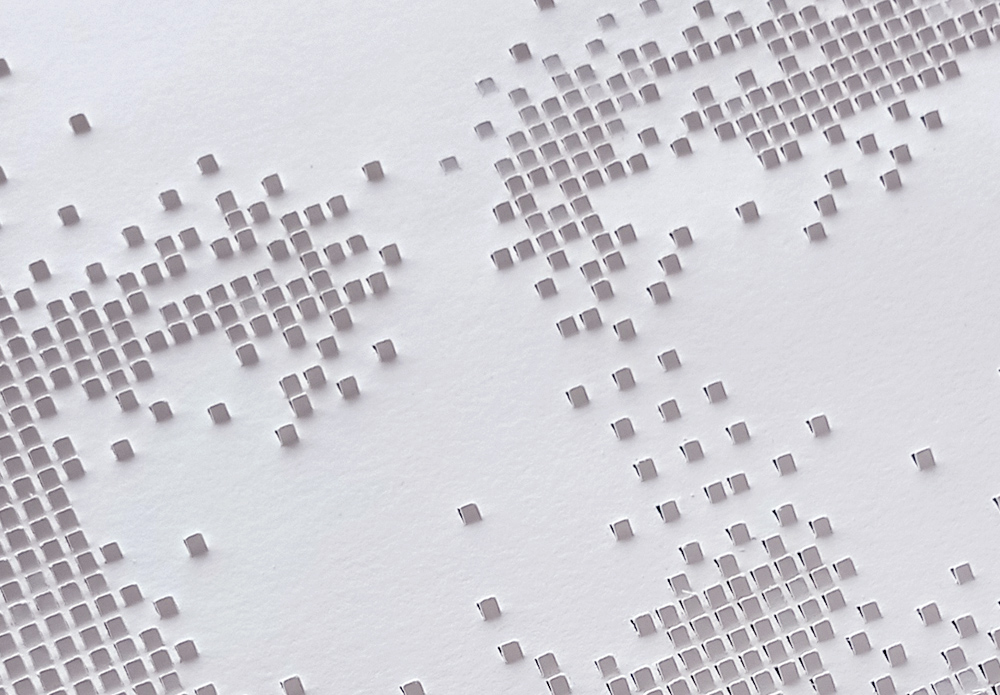
Operating through mosaic systems, plotter drawings and modular construction methods, the works explore how complex images emerge from the accumulation of simple units.
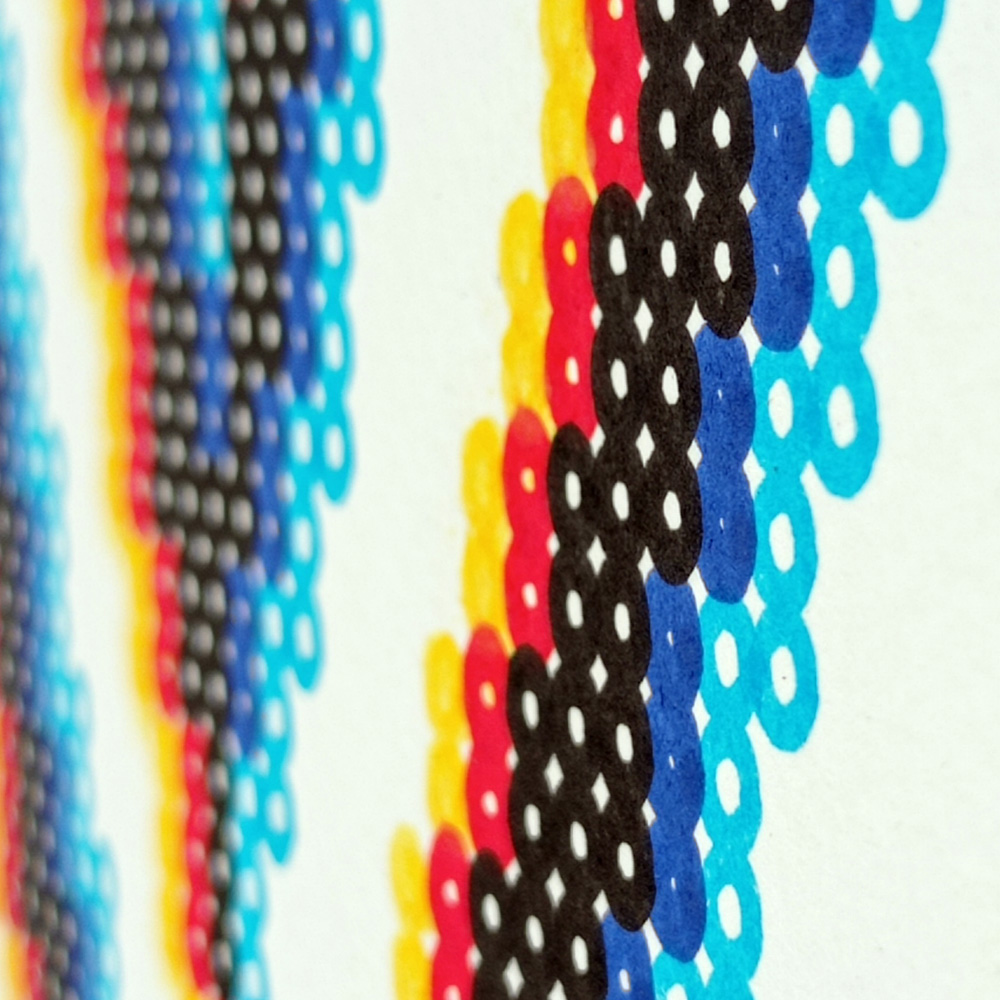
The archive includes mosaics, plotted drawings, experimental surfaces and process-based image systems developed across multiple physical formats.
SELECTED CONTEXTS
PERCEPTUAL LABS
NETWORKED IMAGERY

Experimental collections examining how pixel-based imagery operates within emerging systems of digital ownership, circulation and cultural exchange.
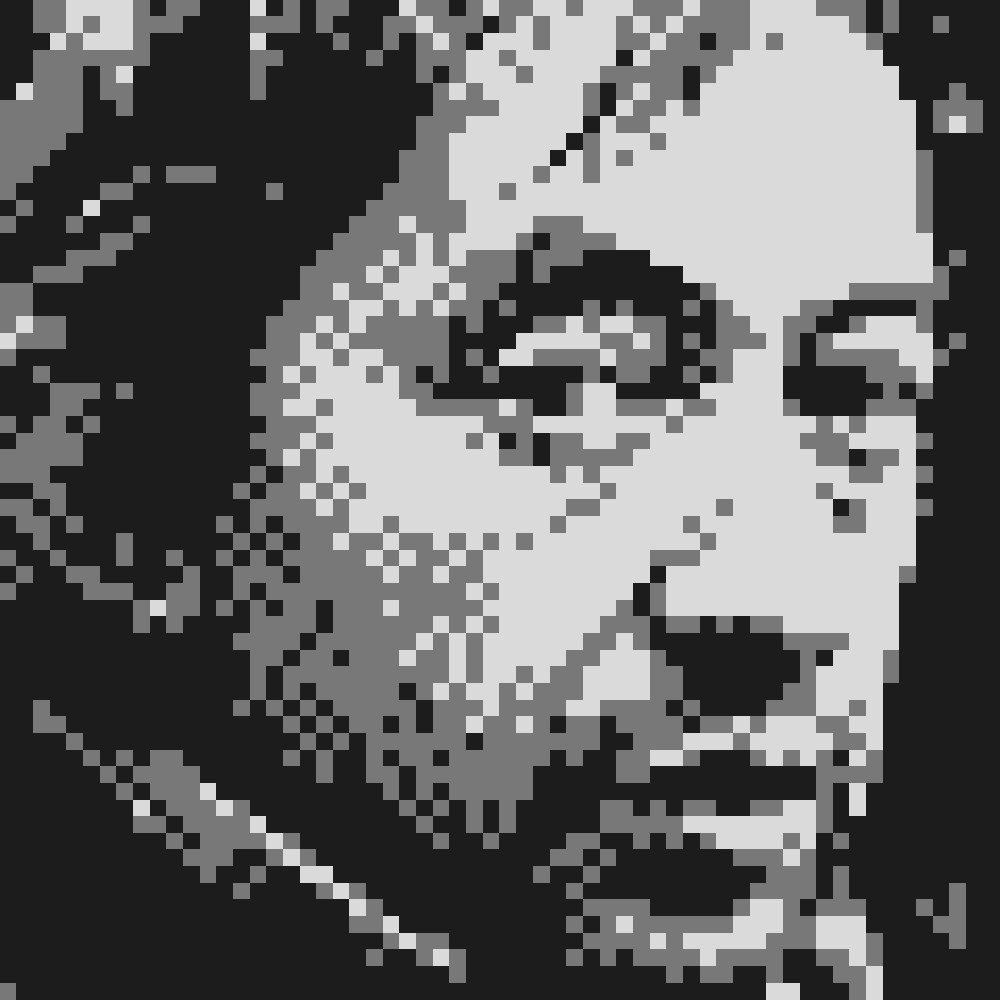
Distributed image systems exploring permanence, scarcity and symbolic value beyond physical media.
These projects extend the broader investigation into image persistence, examining how visual information survives, circulates and acquires meaning across technological networks.
ARCHIVES
The pixel as occupation
PIXEL-BASED SYSTEMS INVESTIGATING IMAGE PERSISTENCE, SYMBOLIC INVOCATION AND THE MATERIAL RECONSTRUCTION OF MEMORY.